


Australia, especially South East Queensland, has always had a deep connection to the water. From Moreton Bay to the Gold Coast Broadwater, from the Whitsundays to Pumicestone Passage, boating is woven into our lifestyle. But as our cities grow, storage becomes tighter and boat ownership evolves, so too does the way we keep and access our vessels.
Enter dry stack storage.
Once considered a more niche option, dry stack is now one of the fastest-growing marine storage solutions across Australia. And it’s not just a trend, it’s reshaping the future of boating.
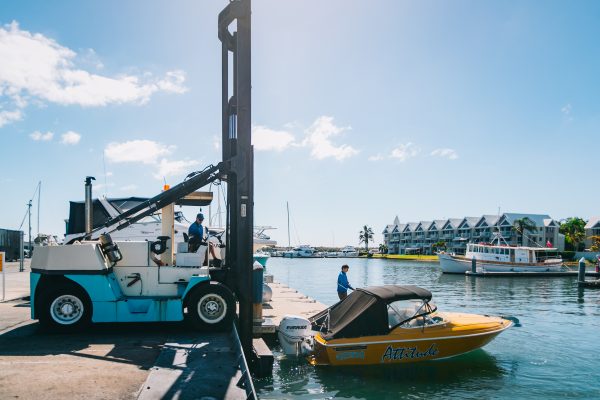
What is Dry Stack Storage?
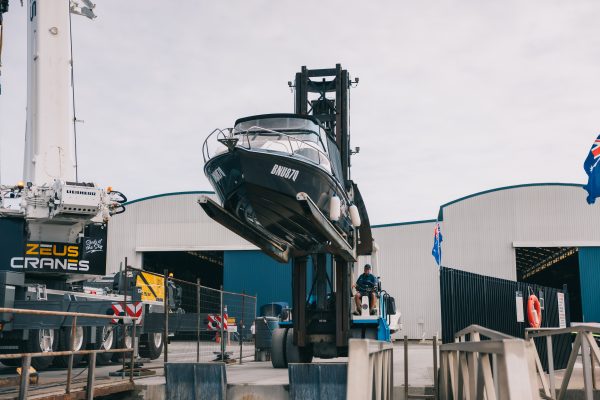
Dry stack involves housing boats inside a purpose-built, multi-level storage facility, usually at a marina. Vessels are stacked securely in racks and launched via forklift when owners are ready to use them.
Instead of towing, reversing down a ramp, or maintaining a vessel in the water full-time, owners simply call the marina ahead of time, and their boat is in the water, fuelled and ready.
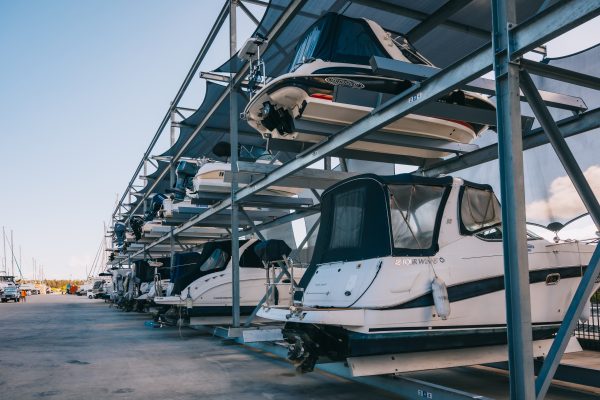
Convenience is Luxury
One of the strongest forces behind the rise of dry stack in Australia is convenience. Traditional boating often involves ramp queues, trailer logistics, hull cleaning, and antifouling. For time-poor families and professionals, these tasks can reduce how often a boat is actually used. Dry stack eliminates many of these pain points, allowing owners to focus on what matters most: getting out on the water.
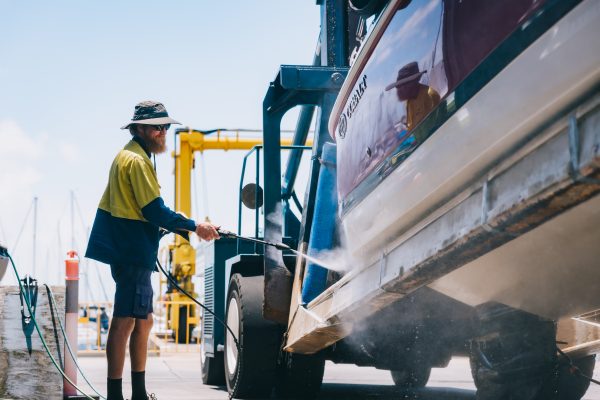
Protecting your Asset
Boats stored in water or on your front lawn are constantly exposed to UV damage, hull fouling and corrosion. Over time, this exposure increases maintenance costs and accelerates wear. Indoor dry storage significantly reduces these impacts, preserving the vessel’s condition and potentially strengthening long-term resale value. Reduced maintenance requirements, makes dry stack not only convenient but financially practical over time.
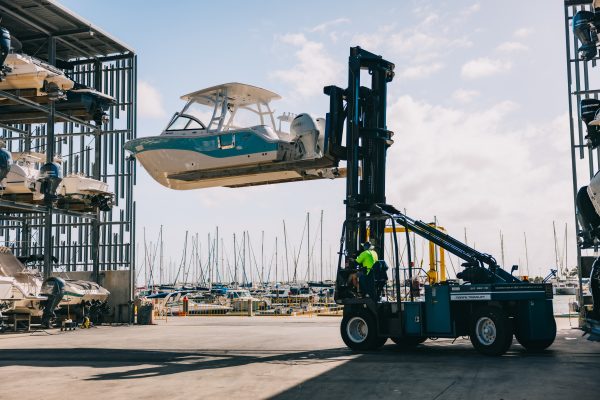
Changing Expectations Around Security
Modern boat owners are investing more into their vessels and expect greater protection and support in return. Contemporary dry stack facilities often provide gated access, CCTV surveillance, on-site marine trades, fuel services, and concierge-style assistance. As insurance requirements evolve and vessel values increase, secure indoor storage is becoming a strategic safeguard rather than a discretionary upgrade.
The Future is Frictionless
Boating in Australia is transforming. Dry stack represents a practical and lifestyle-driven response to these evolving needs – and its rise signals a broader change in how Australians engage and access boating easier.